Aurora Borealis Forecasting
Reading the Northern Lights from Solar-Wind Data
A reference covering Kp index interpretation, cloud-cover assessment, and dark-sky site selection across Canada — for those who want to observe, not just wait.
How it Works
Three factors determine a useful aurora forecast
Solar-wind conditions set the ceiling; cloud cover sets the floor. Between them, site elevation and light pollution decide what actually reaches your eyes.
Kp Index
The planetary Kp index is a 0–9 scale that measures geomagnetic disturbance caused by solar-wind interactions with Earth's magnetosphere. Values above 5 typically produce visible aurora across most of Canada. Values of 7–9 bring displays as far south as the northern United States.
Cloud-Cover Maps
A high Kp value is irrelevant if the sky is overcast. Cloud-cover probability maps — particularly those from Environment and Climate Change Canada and NOAA — show forecast transparency for specific observation windows, usually in 3-hour increments.
Dark-Sky Sites
Even under clear skies, urban and suburban light pollution suppresses faint aurora. Selecting a site 40–80 km from city centres in low-topography regions — boreal lowlands, shield terrain, prairie margins — expands the observable dynamic range considerably.
Latest Articles
Reference material

How to Read the Kp Index for Aurora Forecasting
Understanding the 0–9 planetary geomagnetic activity scale, where to read it in real time, and what thresholds matter for Canadian observers.
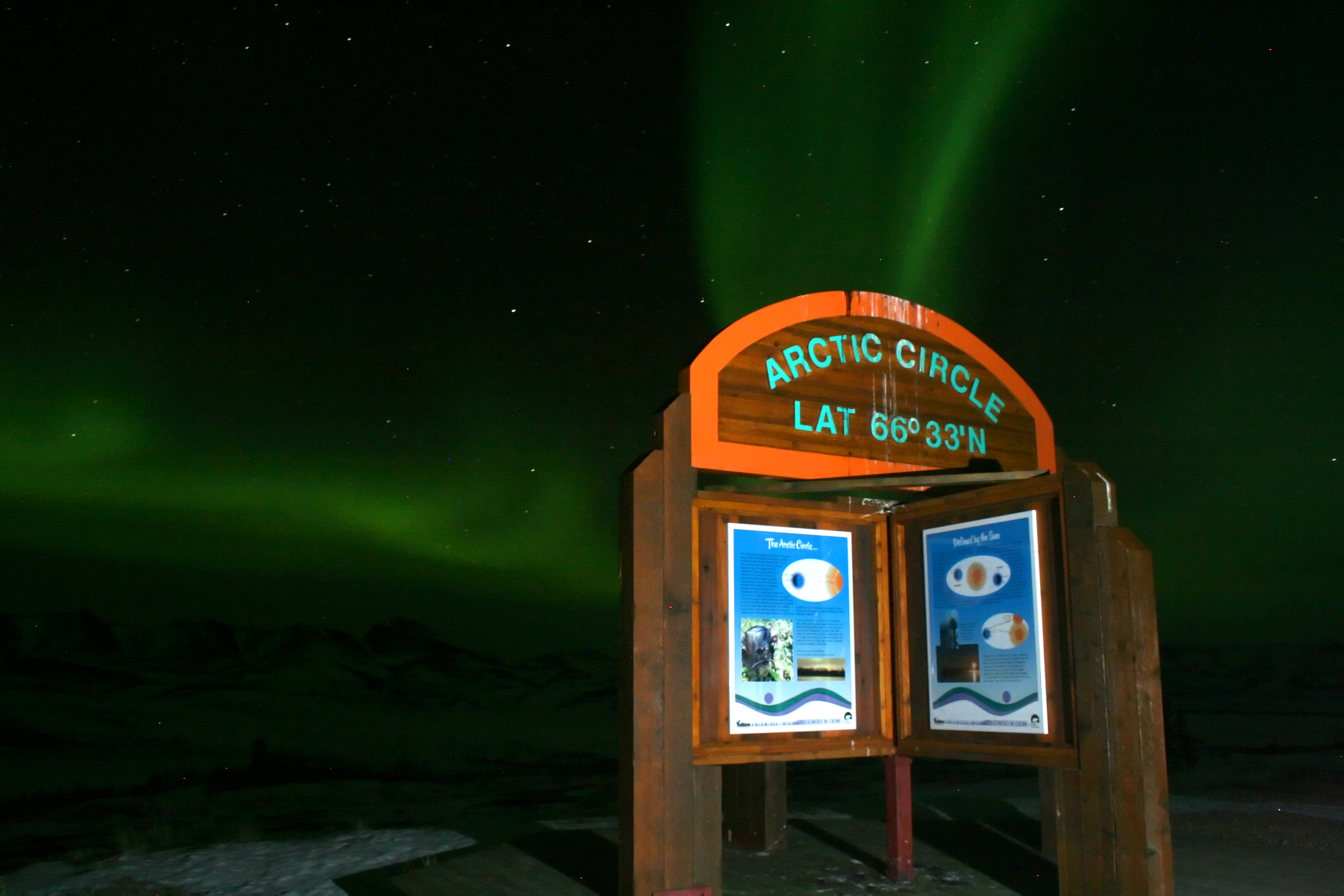
Dark-Sky Site Selection for Aurora Observation in Canada
Practical criteria for choosing observation sites — distance from population centres, horizon clearance, and terrain type across provinces and territories.

Cloud-Cover Forecasting for Aurora Windows in Canada
How to use publicly available satellite and NWP products to identify short clear-sky windows suitable for aurora observation.
Key Resources
Authoritative data sources
NOAA Space Weather Prediction Center
The primary US source for real-time Kp index values, 3-day geomagnetic forecasts, and solar-wind data from the DSCOVR satellite at L1. Available at swpc.noaa.gov.
Natural Resources Canada — Space Weather
Canada's national space weather monitoring program, including local geomagnetic observatory data from stations across the country. Available at spaceweather.gc.ca.
Clear Dark Sky
Astronomy-specific cloud and transparency forecasts for thousands of locations across North America, derived from the Canadian Meteorological Centre's numerical weather prediction output. Available at cleardarksky.com.
Environment and Climate Change Canada
Cloud fraction and total cloud cover products from the Regional Deterministic Prediction System (RDPS), accessible through the MSC Datamart. Available at weather.gc.ca.
Disclaimer
This site presents publicly available reference information compiled from government data sources. It does not provide real-time alerts or guarantee forecast accuracy. Aurora visibility depends on multiple atmospheric and geomagnetic factors simultaneously.